Philip Craig Weiser
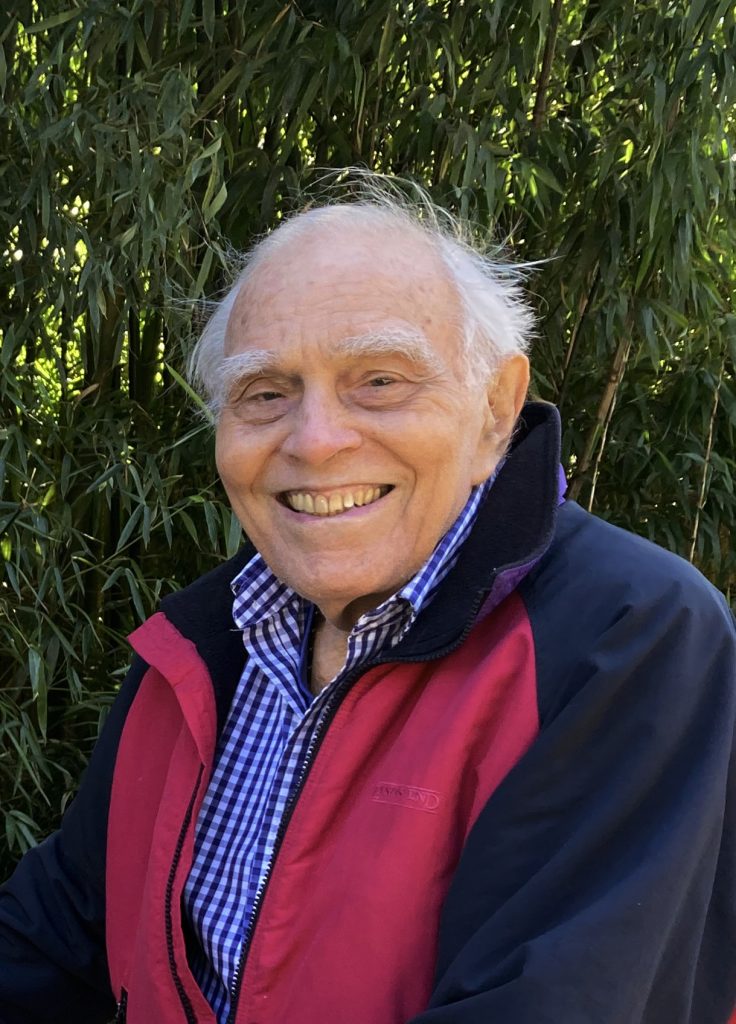
A lifelong researcher, educator, and good Samaritan, Philip Craig Weiser, peacefully and courageously began his next life’s adventure on September 21, 2025 from his residence in Seattle, Washington. Although his death was unexpected, he was well prepared for the transition. His life was rich with meaningful relationships, proud accomplishments, and peace of mind.
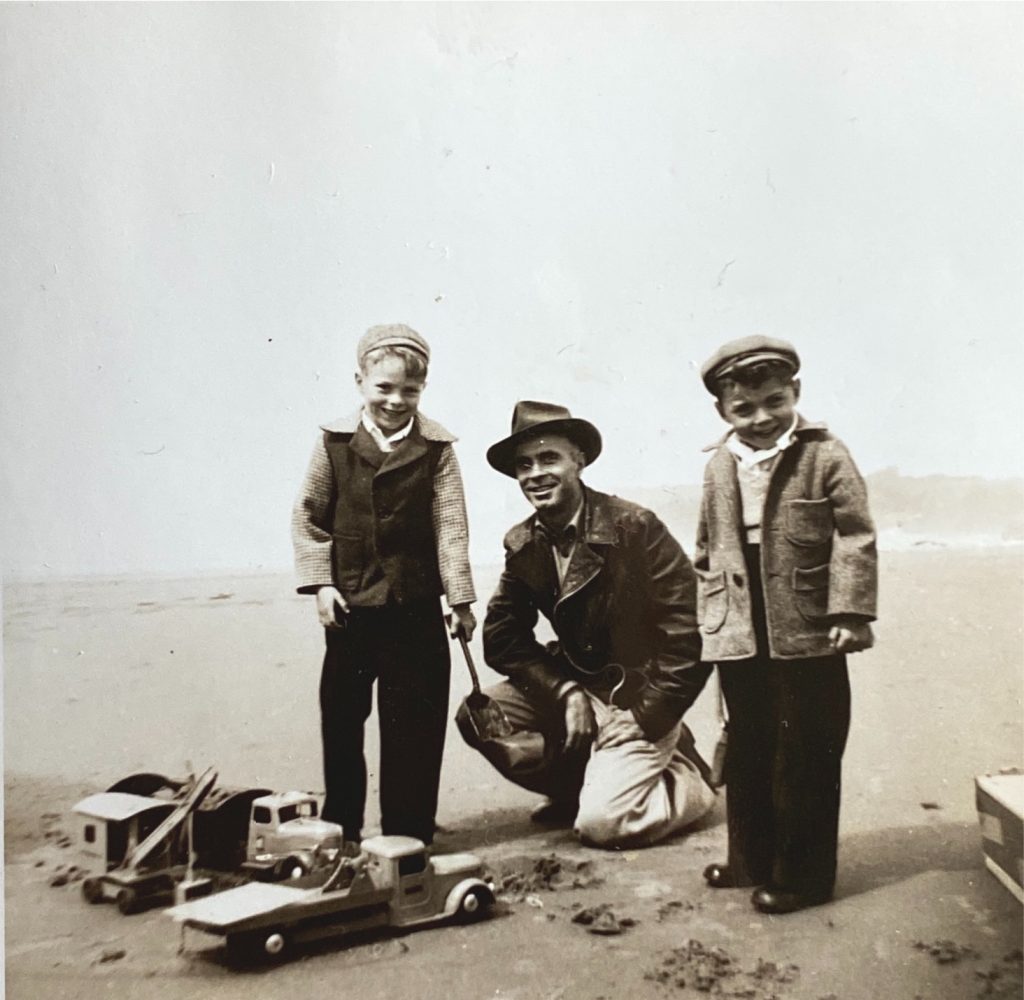
Philip Craig Weiser was born on 26 October 1941 in Portland, Oregon to Earl Philip Weiser and Lois Twaddle both from Port Angeles, Washington. His early years were shaped by uncertainty, caused by the upheaval of World War II and his parents’ separation when he was around two years old. Throughout these formative years, his brother Karl, who was just over a year younger, was a close companion. The two supported each other through these time and forged a strong relationship. Life began to settle down after the war, when his father married Edith Christine Duchemin, who became Phil’s adoptive mother, and a new sense of family and stability emerged. In 1950, the family moved to Seattle and settled on Mercer Island in 1954.
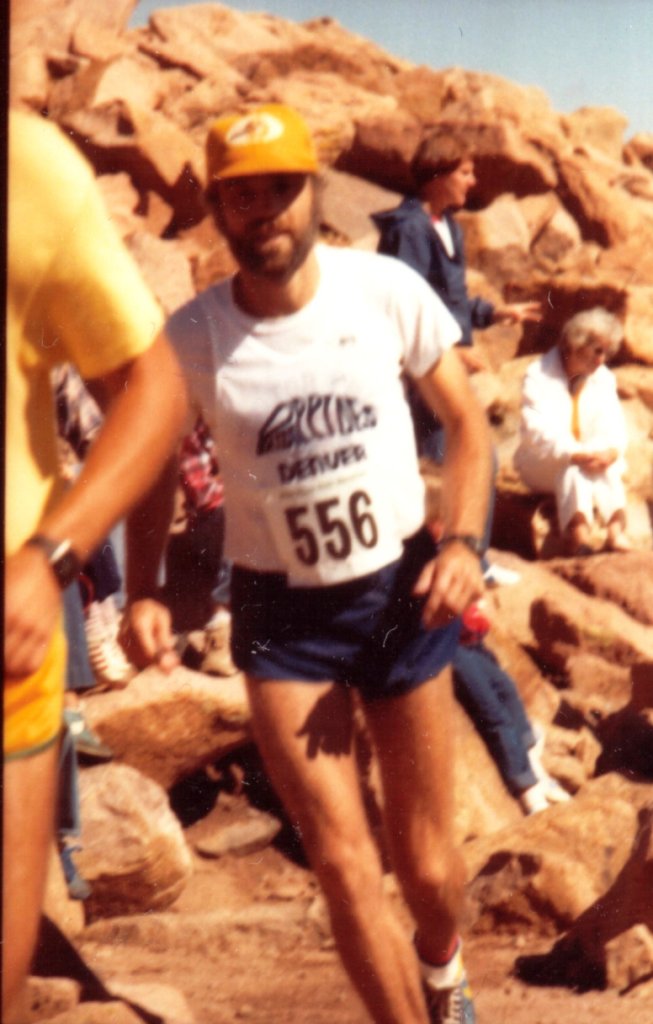
Moving to Seattle, and later to Mercer Island, helped Phil find greater stability and confidence after he struggled at school in his early years. As the family settled and grew, a new sister, Joan, was born and became part of their lives. He took up track and field events and also played football, graduating from Mercer Island High School in June 1959. Running remained central to his life: in 1962, he ran the mile in 4:15.3 at Oregon State University, and he went on to complete his first Boston Marathon.
Phil continued his education at the University of Washington, earning a Bachelor of Science in Chemistry in 1963. He then moved to Minnesota, where he completed a Master of Science in 1966 and pursued doctoral studies in physiology from 1967 to 1969. It was during this period that he met Georganne Blanding at the University of Minnesota through their shared love of classical music. They married on 28 December 1966, and their son Craig was born on 16 June 1971. Alongside his studies, work and running, Phil made time for an active outdoor family life, especially hiking and cross-country skiing in the mountains.
After separating from his first wife in 1976 and finalising their divorce in 1979, he renewed contact with his birth mother, Lois, for the first time in over 30 years. He also met his half sister, Janet, and his half brother, Steve. Over the years, he lived in Denver, Portland and Philadelphia, and married three more times — to Huntly, Kay and Anne.
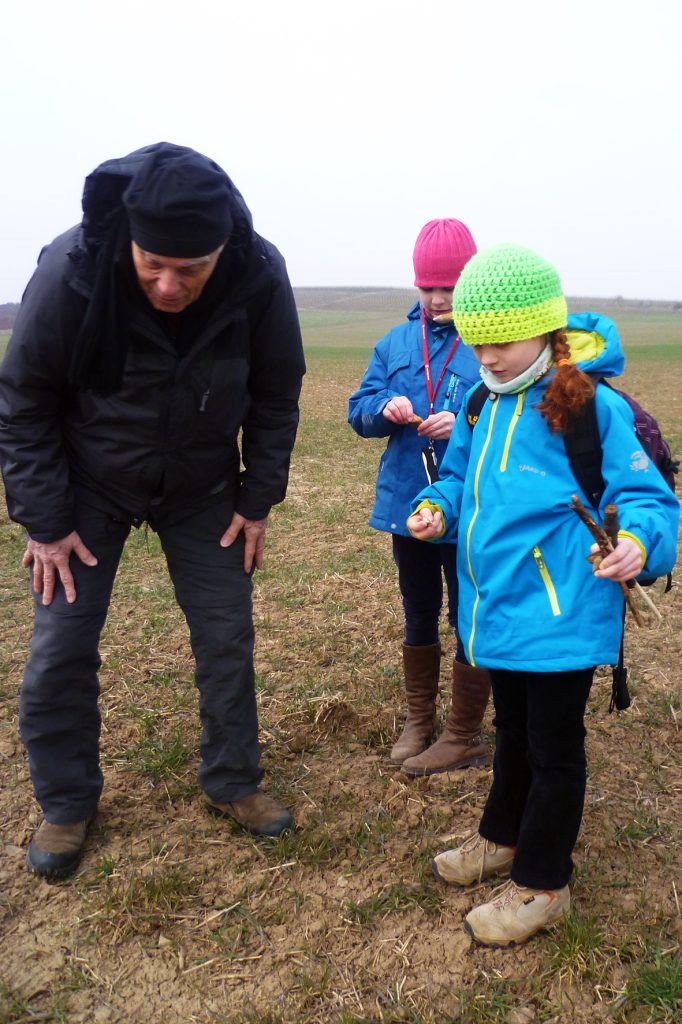
He shared his interest in his German ancestors with his son, inspiring him to learn more about the country. Eventually, his son moved to Germany, where he married Christiane and had two daughters, Josephine and Amelie. Phil began regularly visiting Germany to spend time with his family.
His professional life combined scientific research, health education, rehabilitation, technology, and service. From 1963 to 1973, he served in the U.S. Army Medical Service Corps, retiring as a major. As a physiologist at the Army Medical Research and Nutrition Laboratory and Fitzsimons Army Medical Center, he researched physical exertion, endurance, breathlessness, fatigue, and the ways people perceive and respond to physical symptoms.
After leaving the Army, he continued his work through postdoctoral training and appointments in clinical physiology, pulmonary rehabilitation, and medical research. He held research and teaching positions at institutions including the University of Colorado, the Medical College of Pennsylvania, and Temple University. He also directed fitness, health-education, and cardiopulmonary rehabilitation programs in Colorado, Oregon, and Philadelphia, bringing scientific knowledge directly to patients, students, colleagues, and community members.
Later, he applied his analytical and teaching skills to health-care information systems, working as a database analyst and then for more than a decade as a technical consultant with PC Helps. He assisted clients with software, databases, spreadsheets, and programming, approaching each problem with patience and clarity.
He also founded Weiser’s Integrated Sports Education, a platform through which he shared his knowledge of endurance, exercise, and human performance. Through its website, publications, and blog, he continued to teach, drawing on both formal research and his experience as a lifelong runner. Across his varied career, his central purpose remained consistent: to make complex information practical and useful to others.
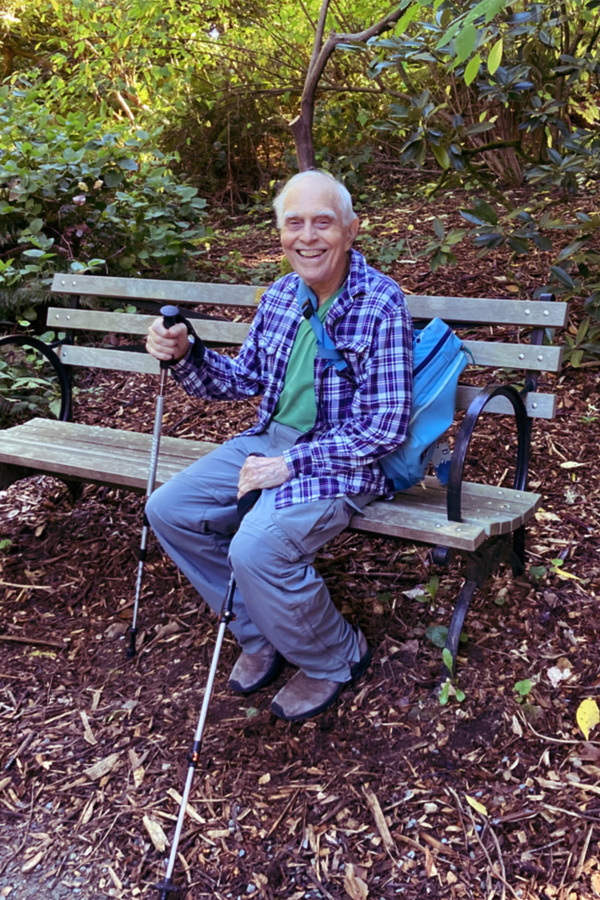
In his free time, Phil found great enjoyment in being outdoors. While living in Philadelphia, he frequented the Wissahickon section of Fairmount Park, where he hiked and ran regularly. He helped maintain trails and water-diversion ditches, supported sustainable trail construction, and was an active member of the Friends of the Wissahickon and the Schuylkill Center for Environmental Education. Nature provided him with exercise, discovery, and a lasting source of inspiration.
Phil also had a lifelong interest in railways and trains. He maintained an N-scale model railway in his basement, carefully building its mountain landscape and scenery. His interest extended to railway history, including hikes along the former route of a two-hundred-year-old gravity railroad once used to transport coal toward New Jersey.
Genealogy provided another connection to the past. He researched his German ancestry using family documents, genealogical records, and archival visits. He created an extensive family tree and traveled to Bornheim and Oberwiesen, two southwestern German towns associated with his ancestors. He also visited the farm where his third great-grandfather lived from 1814 to 1838. Visits to the archives in Speyer helped him preserve important stories of his family’s origins.
His trips to Germany also provided opportunities to spend time with his son and granddaughters, as well as attend family events such as his granddaughter’s first communion, Easter celebrations, and birthdays. Through his research and travels, Phil connected the past with the present, remaining engaged in his family’s ongoing story. Like his interests in science, endurance, nature, and railways, his interest in genealogy reflected his lifelong curiosity, patience, and desire to understand and share what he learned.
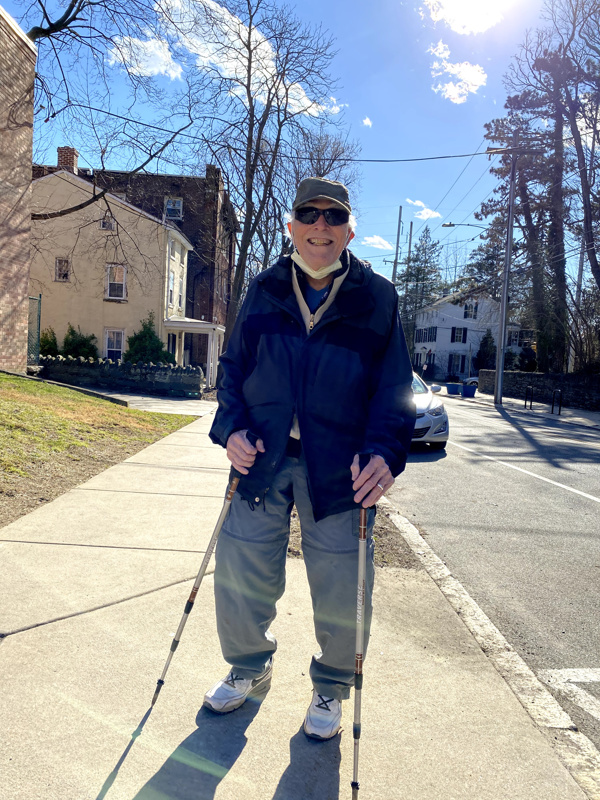
Phil leaves behind a life shaped by curiosity, perseverance, and service. He brought together the mind of a researcher, the discipline of an athlete, the patience of a teacher, and the curiosity of someone who never stopped learning. Through his research, writing, teaching, and personal guidance, he sought to understand the human body and help others make better use of what they learned.
He found meaning in careful work and in the world around him—in mountains and trails, birds and trees, family records, old railroad beds, music, and the people whose lives touched his own. His lasting commitment was to help others help themselves.
Phil is deeply missed, especially for his infectious smile and booming laughter. However, the values he held dear live on through the questions he asked, the knowledge he shared, the people he encouraged, the trails he cared for, and the family stories he preserved. His life reminds us that a meaningful legacy is built not only through major accomplishments but also through the consistent ways a person helps others understand, endure, recover, and move forward.